Ai Wei Beijing/Berlijn
Documenta, Kassel
Documenta 12
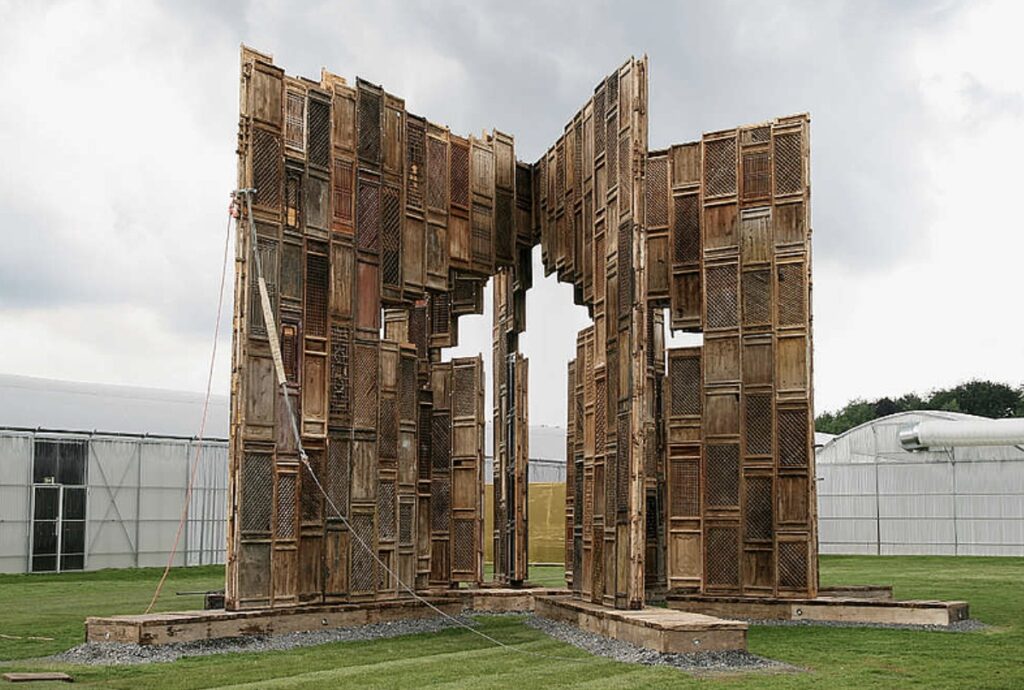
De installatie bestaat uit 1001 oude Chinese deuren en ramen van gesloopte huizen uit de Qing-dynastie, gestapeld om een architecturale structuur te vormen.
[vergroten door te klikken]
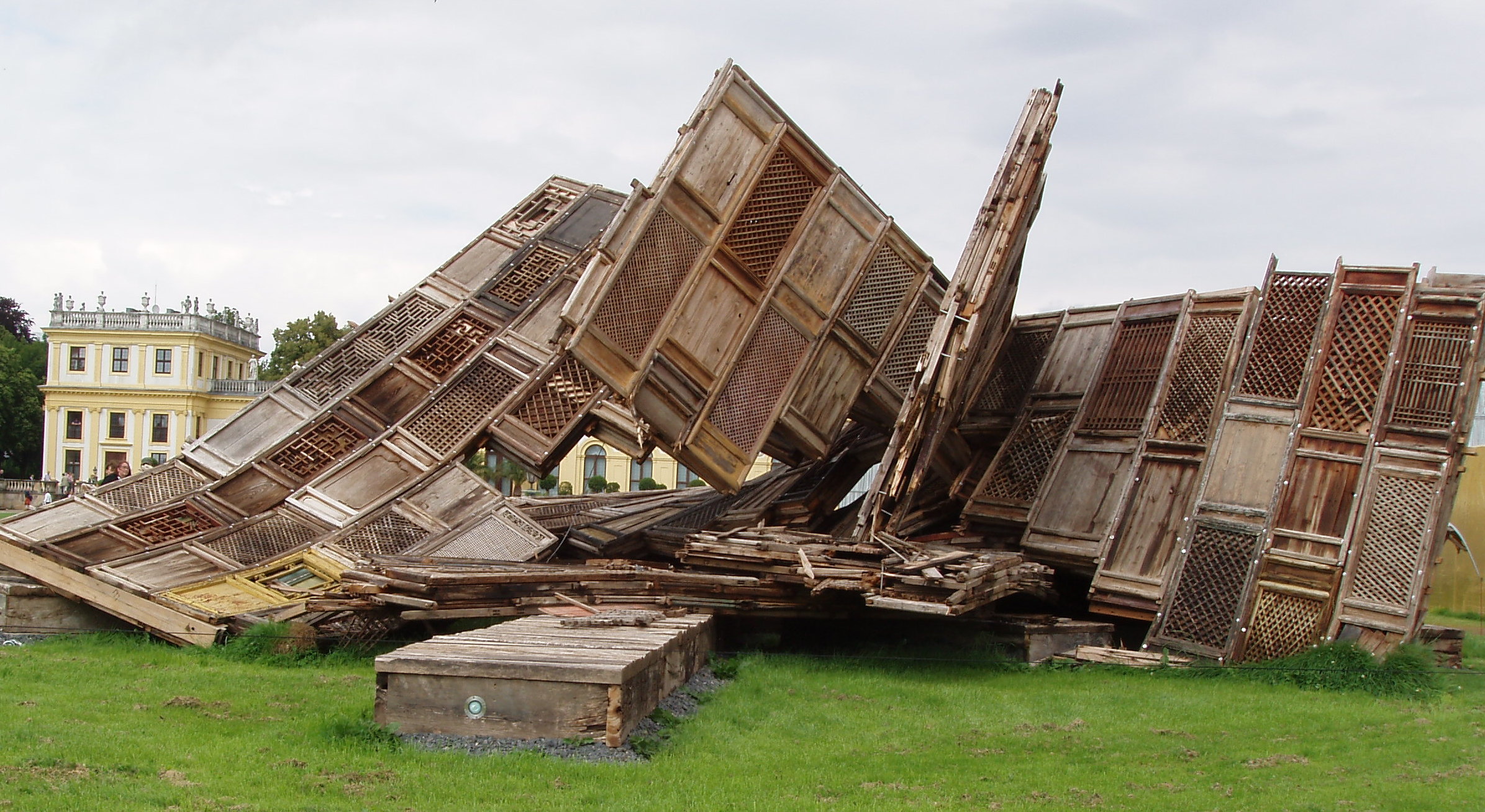
[vergroten door te klikken]
In 2010 nodigde Diana me uit voor een georganiseerde reis met de Trans-Siberië Express, die eindigde in China – het land dat me al van jongs af aan geïnteresseerd had. We namen  in Beijing het vliegtuig terug.
Het bracht me op het idee het jaar daarop een rondreis door China te gaan maken, om het land verder te verkennen…
Beijing, 2011
Uit mijn 4All the Tea in China.
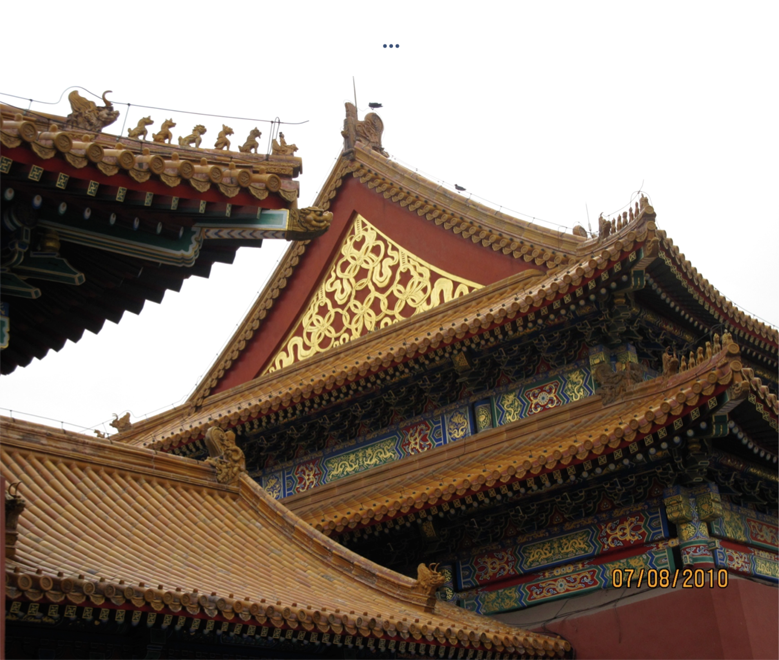
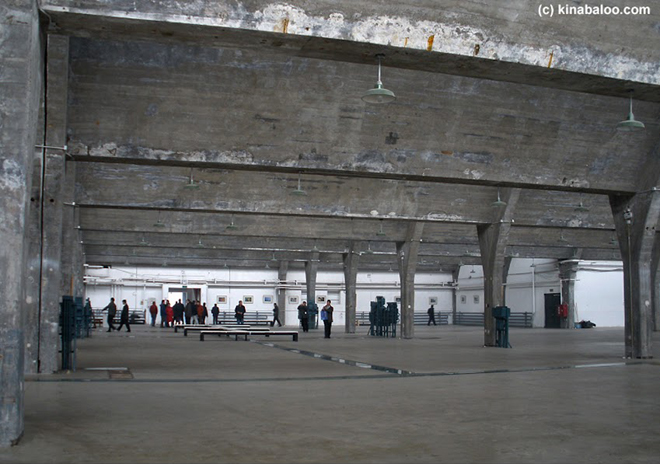
[foto van het Web, vergroten door te klikken]
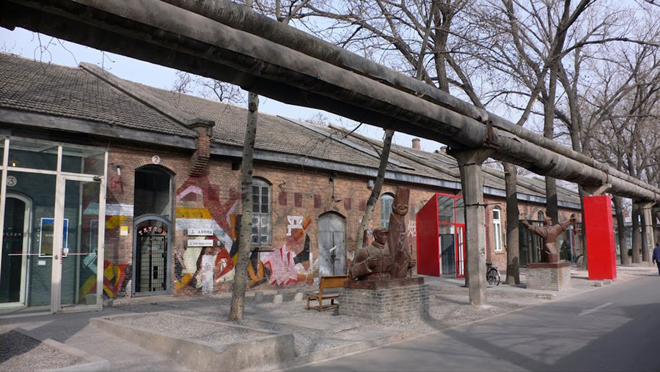
[foto van het Web, vergroten door te klikken]
In 2011 werd Ai in China gearresteerd op verdenking van belastingontduiking, zat hij 81 dagen vast en werd vervolgens vrijgelaten. De overheid had zijn paspoort in beslag genomen en hem alle andere reisdocumenten geweigerd. Nadat hij in 2015 zijn paspoort terugkreeg, verhuisde Ai naar Berlijn, waar hij een grote studio in een voormalige brouwerij vestigde.
Documenta, Kassel
Documenta 13

[vergroten door te klikken]
Ai Wei Wei nu
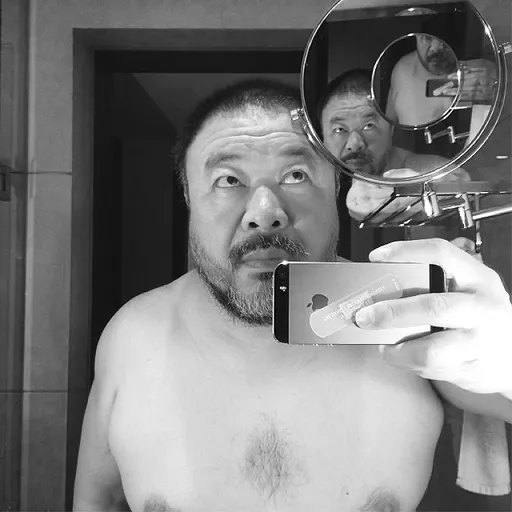
“Coronation” (2020)
On December 1, 2019, the first patient with Covid-19 symptoms was identified in Wuhan. Chinese officials repeatedly denied that human-to-human transmission was possible, concealed the number of diagnosed patients, and punished medical staff for disclosing information about the epidemic. On January 23, 2020, Wuhan was placed under a city-wide lockdown. Covid-19 has become a global pandemic, with over 22 million people infected and over 780,000 deaths. “Coronation” examines the political specter of Chinese state control from the first to the last day of the Wuhan lockdown. The film records the state’s brutally efficient, militarized response to control the virus. Sprawling emergency field hospitals were erected in a matter of days, 40,000 medical workers were bused in from all over China, and the city’s residents were sealed into their homes. The film takes us into the heart of these temporary hospitals and ICU wards, showing the entire process of diagnosis and treatment. Patients and their families are interviewed, reflecting their thinking about the pandemic and expressing anger and confusion over the state’s callous restriction of their liberties. The film also takes us into the private lives of individuals living under the lockdown: a couple attempt to return to their home in Wuhan, a courier delivers essentials to residents barred from leaving their community, an emergency construction worker stuck in limbo is forced to live out of his car, a former party cadre and her son debate the function of the media and the party’s response to the outbreak, a grieving son navigates the bureaucracy of retrieving his father's ashes.
China has assumed the status of superpower on the global stage, yet it remains poorly understood by other nations. Through the lens of the pandemic, “Coronation” clearly depicts the Chinese crisis management and social control machine—through surveillance, ideological brainwashing, and brute determination to control every aspect of society. The film shows the changes that took place in a city and in individual space under the impact of the virus; it illustrates the value of individual life in the political environment, reflecting on the difficulties we face as individuals and countries in the context of globalization. Ultimately, the result is a society lacking trust, transparency, and respect for humanity. Despite the impressive scale and speed of the Wuhan lockdown, we face a more existential question: can civilization survive without humanity? Can nations rely on one another without transparency or trust?
Ai Weiwei remotely directed and produced the film from Europe. The filming was done by ordinary citizens living in Wuhan. (Ai Weiwei Films)
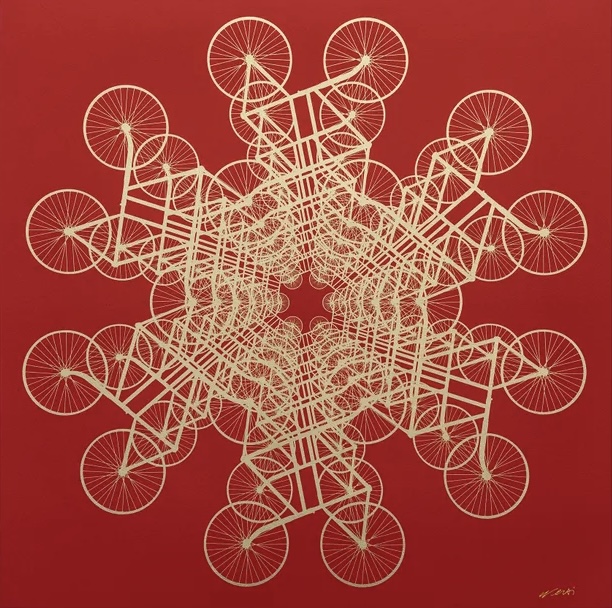
“Forever Bicycle (Red & Gold)”
“Human Flow”
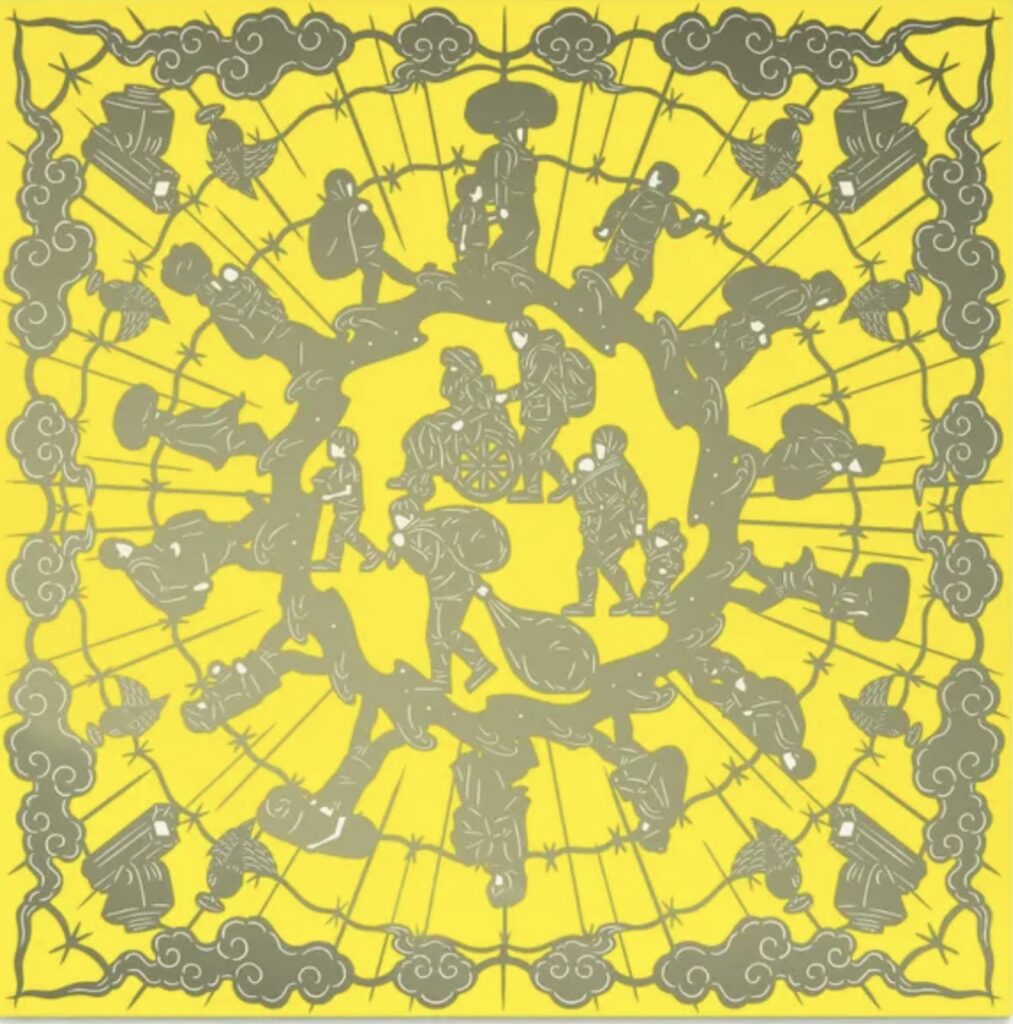
“If there is one refugee, we are all refugees. It's not that you're potentially a refugee, or potentially involved. We are involved. We are refugees. This idea is not easy to establish, so I tried to make it beautiful. You can see the image, but you can also see yourself in the reflection.” (www.avantarte.com)
[vergroten door te klikken]
“Human Flow”
Duitsland 2017. Documentaire van Ai Weiwei.
| EINDE |


